

When One Bite Causes Big Problems: Flea Allergy Dermatitis in Pets
Watching your pet constantly scratch, lick, and chew at their skin can be heartbreaking, especially when you feel like you’ve tried everything to help. You bathe them, you check them for fleas, and still, that intense itch doesn’t stop. What many pet owners don’t realize is that for some pets, it takes just one tiny flea bite to set off a miserable cycle of scratching, inflammation, and skin damage. This extreme sensitivity is known as Flea Allergy Dermatitis- one of the most common reasons pets suffer from year-round skin issues.
At Sonoran Sky Pet Hospital, we understand how distressing skin problems can be. Our experienced team combines advanced dermatology services with compassionate care to identify the cause of your pet’s discomfort and create effective, long-term relief plans. From diagnostics to preventive strategies, our goal is to restore comfort and peace- for both pets and their families.
Recognizing Flea Allergy Dermatitis (FAD)
Flea allergy dermatitis occurs when a pet’s immune system reacts strongly to proteins in flea saliva. For allergic pets, even a single flea bite can trigger severe inflammation, redness, and relentless itching. Without prompt care, the skin barrier can break down, leading to painful infections.
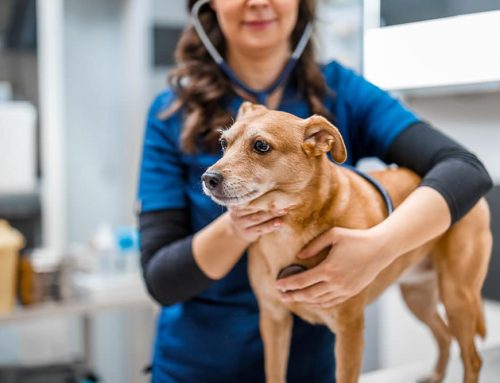
Because symptoms can mimic other conditions, a professional diagnosis is key. Our veterinarians perform targeted exams, skin testing, and visual assessments to determine whether flea allergy dermatitis is the root cause or part of a broader allergic pattern.
For comprehensive relief and ongoing management, schedule an appointment with our dermatology team to discuss tailored treatment options.
Identifying FAD in Pets
Common Signs and Symptoms
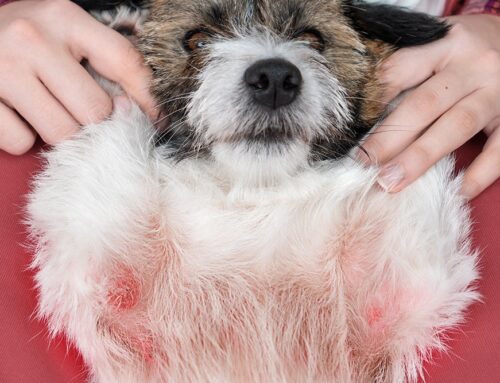
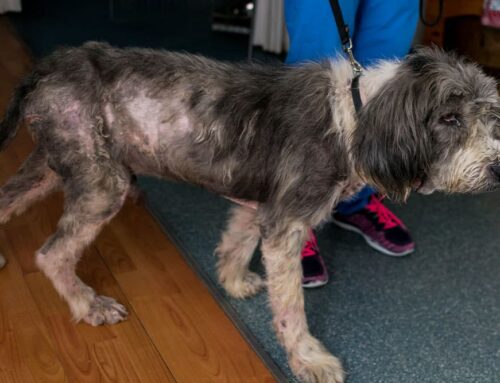
Flea allergy dermatitis often appears as persistent scratching focused on the tail base, thighs, or abdomen. You might notice thinning hair, small scabs, hot spots, or red, inflamed patches. Cats may develop tiny bumps known as miliary dermatitis, often hidden under the fur from overgrooming.
It’s important to remember that you may not actually see fleas- their fast movement and low population numbers make them easy to miss. If your pet shows itching symptoms that don’t resolve, a veterinary evaluation is the next step.
Understanding broader pet allergy triggers helps differentiate FAD from other skin sensitivities. Often, pets will have both flea allergies and environmental or food allergies. If you’re uncertain about your pet’s symptoms, our diagnostic team can help identify the true cause. Our doctors offer thorough diagnostic exams to confirm the cause and rule out other allergies or skin disorders.
When to Visit the Vet
If itching escalates, lesions ooze or develop odor, hair loss occurs, or your pet seems painful when touched, it’s time for a professional assessment. Delaying care can allow infection to spread or worsen discomfort. Our urgent care services provide same-day evaluation for pets in distress.
Prevention Strategies for FAD in Pets
Year-Round Parasite Prevention
Flea prevention must be consistent to keep allergic pets comfortable. Fleas thrive indoors year-round, and missing even one month of protection can restart the cycle. Modern preventives stop most fleas before they bite and keep them from reproducing if they do- an essential step for pets with hypersensitive skin.
Every pet in the household needs to be on flea prevention. Your indoor cat can have flea allergies triggered from a stray flea brought home on your dog’s walk, and quickly turn from one flea to hundreds if your cat isn’t on prevention.
Following year-round parasite prevention ensures lasting control. Our wellness care plans cover exams, vaccines, and diagnostic screenings for convenience and savings, and we’ll go over all the best preventive medication options for your pets.
Grooming and Hygiene
Routine grooming supports skin health and provides early warning for irritation. Brushing removes flea dirt and debris, while bathing with hypoallergenic shampoos soothes inflamed skin. Regular grooming also helps owners notice subtle changes that might indicate relapse.
For best results, follow regular grooming habits year-round, adjusting frequency for your pet’s coat type and lifestyle. If your pet flinches during brushing or you notice flakes, flea dirt, redness, or unusual odor, schedule a visit with our veterinary team to address underlying inflammation.
Creating a Flea-Free Environment
Fleas reproduce rapidly- so prevention extends beyond the pet. Their eggs and larvae can hide in carpets, bedding, and upholstery, surviving for weeks. Maintaining a clean home through vacuuming, washing fabrics on high heat, and using safe environmental products breaks the flea lifecycle.
Many owners assume indoor pets are safe from fleas or that visible fleas are necessary for allergic reactions. In reality, fleas can hitchhike on clothing, other pets, or even come through screened windows. And because itchy pets often over-groom themselves, they remove the evidence of fleas. Allergic pets can still suffer without visible pests.
Our team can advise on pet-safe treatments and cleaning routines tailored to your household. Call or use our contact page for personalized guidance on environmental control.
Treatment Options for Flea Allergy Dermatitis
Veterinary Treatments
When a pet arrives with active flare-ups, our focus is comfort and stabilization. Pets who are extremely itchy often damage their skin, setting themselves up for skin infections that can host both yeast and bacteria. Skin cytology is a key part of determining what’s needed for treatment. We address inflammation, infection, and pain through medicated shampoos, topical sprays, and prescription medications.
Each pet’s response varies. Some improve within weeks, while others need ongoing adjustments. Tracking your pet’s symptoms- such as scratching frequency or new lesions- helps us refine their plan. Regular follow-ups ensure progress and prevent recurrence. You can easily request an appointment to discuss progress or medication updates whenever changes arise.
Medications and Topical Treatments
Depending on severity, therapy may include antihistamines, corticosteroids, antibiotics, or newer immunomodulators that balance the immune response without harsh side effects. Medicated ointments or sprays relieve itching while protecting the skin barrier.
Before starting any treatment, we recommend a diagnostic evaluation to determine what’s safest and most effective for your pet’s unique health profile.
Integrative Support
Nutritional supplements like omega-3 fatty acids, probiotics, and skin-fortifying diets can further support healing. These options reduce inflammation and strengthen the skin’s natural defenses when used under veterinary supervision. Our wellness team can help you develop a full care plan integrating diet, medication, and home management.

FAQs From Pet Owners
Can FAD be cured? Not exactly- but it can be controlled effectively with year-round prevention and appropriate treatment.
How fast does recovery happen? Most pets show improvement within days to weeks after eliminating fleas and starting medication.
Can humans catch flea allergies? No, though people can react to flea bites with mild irritation.
If you have questions specific to your pet’s case, our veterinarians are happy to help. Schedule your consultation online or call for a complimentary triage assessment.
Taking Control of Your Pet’s Comfort
Flea allergy dermatitis doesn’t have to rule your pet’s life. With early action, consistent prevention, and personalized veterinary care, most dogs and cats find lasting relief.
At Sonoran Sky Pet Hospital, we believe no pet should live with constant itching or pain. Our dedicated team will work with you to build a plan that fits your pet’s lifestyle and health needs. To start your pet’s journey toward comfort and healing, request an appointment or reach out through our contact page today. Your pet deserves relief- and we’re here to help make it happen.





Leave A Comment