

Alopecia in Pets: What Your Vet Looks for First
You’re brushing your dog and notice more hair than usual coming out. Or maybe you’ve spotted a bald patch on your cat’s belly that definitely wasn’t there last month. Perhaps your pet’s once-luxurious coat is looking thin and patchy, and you’re starting to worry. What’s going on?
If you’re wondering what causes hair loss in pets, you’re not alone- it’s one of the most common concerns we hear from pet owners. The short answer is that hair loss (called alopecia in veterinary medicine) can stem from allergies, parasites, skin infections, hormonal imbalances, stress, or nutritional gaps. The pattern of hair loss, where it’s located, and whether your pet is itchy all help us figure out what’s happening underneath.
Here’s the reassuring part: most cases improve significantly once we identify and treat the underlying cause. The key is getting to the root of the problem rather than just addressing the surface symptoms.
At Sonoran Sky Pet Hospital, we combine thorough diagnostics and dermatology expertise with a collaborative approach to figure out exactly why your pet is losing hair- whether it’s a skin condition, an internal imbalance, or something environmental. We’re committed to clear communication and ready to guide you through the process. If you’re noticing changes in your pet’s coat, please request an appointment for a comprehensive evaluation.
What Is Alopecia and When Does Shedding Become a Problem?
Alopecia simply means partial or complete hair loss. It’s not a disease itself but rather a symptom telling us something is affecting your pet’s skin, hair follicles, or internal systems. The challenge is figuring out what that something is.
Every pet sheds- that’s completely normal. But there’s a clear difference between routine shedding and hair loss that needs attention:
Normal shedding looks like:
- Even thinning across the body, often with seasonal patterns
- No changes to the skin underneath
- Hair regrows normally
- No excessive scratching or licking
Abnormal hair loss looks like:
- Distinct bald patches or localized thinning
- Happening outside normal seasonal patterns
- Skin that’s red, scaly, crusty, or irritated
- Hair that doesn’t regrow or grows back abnormally
- Accompanied by itching, licking, or scratching
A helpful rule of thumb: heavy but even shedding is usually normal, while distinct patches, persistent itch, or compulsive overgrooming deserve a closer look.
Our experienced team uses these diagnostic clues along with targeted testing to pinpoint problems quickly. Routine checkups through our preventative and wellness care services catch subtle changes before they become bigger issues.
Can Allergies Cause My Pet to Lose Hair?
Absolutely- and they’re one of the most common culprits we see. When your pet has pet allergies, their immune system overreacts to something in the environment or diet, triggering inflammation and itchiness. The hair loss happens because your pet scratches, licks, and chews at irritated skin until the hair falls out or breaks off.
Common allergens include:
- Pollen, grass, and mold (seasonal environmental triggers)
- Dust mites (year-round environmental triggers)
- Food proteins like chicken, beef, dairy, or wheat
- Flea saliva (even one bite can trigger a reaction in sensitive pets)
The pattern of hair loss often gives us clues. General environmental allergies tend to cause hot spots and generalized itching, while flea allergies typically affect the tail base, lower back, and inner thighs. Dogs usually scratch and chew visibly, while cats often overgroom quietly when no one’s watching- you might only notice the bald patches after the fact.
For persistent cases, we offer allergy testing, prescription diet options, and long-term management strategies through our dermatology services.
What About Parasites and Skin Infections?
External parasites cause hair loss by irritating the skin or damaging hair follicles directly. Some are visible to the naked eye, while others require microscopic examination to detect.
Common parasites and what they look like:
- Fleas cause hair loss on the lower back, tail base, and inner thighs, with intense itching and visible “flea dirt” (tiny black specks)
- Demodex mites affect the face, paws, and random patchy areas, usually with mild itching and red skin- puppies and immunocompromised pets are most susceptible
- Sarcoptic mites (scabies) cause severe itching and crusting around the ears, elbows, and abdomen- and can spread to humans
- Ringworm (actually a fungal infection, not a worm) creates circular bald spots with scaly edges and can also spread to people
Bacterial and yeast infections often develop secondary to other skin problems. The intense itchiness leads to excessive scratching, which damages the skin further and causes more hair loss.
If you notice circular bald patches with scaly edges, that’s worth getting checked promptly- both for your pet’s comfort and because ringworm is contagious to humans.
Our urgent pet care team can help triage these concerns and get testing started quickly. Consistent year-round parasite prevention dramatically reduces the risk of parasite-induced hair loss, even for indoor pets.
Could Hormones Be Behind My Pet’s Hair Loss?
When hair loss appears gradually and symmetrically on both sides of the body without much itching, hormones are often involved. These changes can be subtle at first- you might just notice the coat looking thinner or duller before obvious bald patches appear.
Thyroid and Adrenal Disorders
Several hormonal conditions commonly cause alopecia:
Hypothyroidism happens when a dog’s thyroid gland doesn’t produce enough hormones. It slows metabolism and typically causes weight gain, lethargy, cold intolerance, and symmetrical hair loss on the trunk and tail. The classic “rat tail” appearance- a tail that looks like it’s been shaved- is a telltale sign.
Cushing’s disease results from excess cortisol production. Dogs develop a pot-bellied appearance, thin and fragile skin, increased thirst and urination, and hair loss along the sides of the body.
Hyperthyroidism (common in cats) causes the opposite problem- an overactive thyroid leads to weight loss despite increased appetite, along with a patchy, unkempt coat.
Sex Hormone Imbalances
Reproductive hormones can also cause significant hair loss. Testicular tumors in intact male dogs sometimes produce excess estrogen, leading to symmetrical hair loss on the flanks, chest, and genital area. You might also notice enlarged mammary glands or other male dogs showing unusual interest.
Intact female dogs can develop similar issues related to ovarian cysts or tumors affecting estrogen levels. In many of these cases, spaying or neutering resolves the hormone-related hair loss.
A Note About Human Hormone Creams
Here’s something many pet owners don’t realize: if you use topical hormone creams (estrogen, testosterone, or other hormone replacement therapies), your pet can absorb these hormones through skin contact or licking. This can cause hair loss and other symptoms. If you use these products, apply them to areas your pet can’t reach, wash your hands thoroughly, and cover application sites with clothing.
Why Routine Blood Work Matters
Routine blood work can reveal hormone imbalances before symptoms become obvious, making early detection and treatment much easier. Our internal medicine services offer comprehensive testing when we suspect hormonal causes.

Are Some Breeds More Prone to Hair Loss?
Yes, some breeds are genetically predisposed to specific coat conditions that can’t be cured but can be managed comfortably.
Color dilution alopecia affects dogs with diluted coat colors like blue, fawn, or silver. Breeds commonly affected include Dobermans, Weimaraners, and Italian Greyhounds. The hair becomes brittle and breaks easily, leading to patchy thinning.
Flank alopecia causes seasonal bald patches on the sides of the body that typically regrow on their own. Boxers, Bulldogs, and Airedales are commonly affected.
Pattern baldness causes gradual, permanent thinning in specific areas and is seen in breeds like Dachshunds and Chihuahuas.
Sebaceous adenitis is an immune-mediated condition that destroys the oil glands in the skin, leading to hair loss, scaling, and a distinctive musty odor. It’s most common in Standard Poodles but can occur in any breed.
Zinc-responsive dermatosis primarily affects Nordic breeds like Siberian Huskies and Alaskan Malamutes, though it can occur in other breeds as well. Dogs with this condition can’t absorb or utilize zinc properly, leading to hair loss, crusting, and scaling, particularly around the eyes, ears, muzzle, and pressure points like elbows.
If your dog’s breed or coat color puts them at risk for genetic conditions, our dermatology services can evaluate the pattern, rule out other causes, and help you develop a long-term management plan. While we can’t cure most genetic conditions, supportive skin care, nutrition optimization, targeted supplementation, and sometimes light therapy can make a real difference in coat quality and comfort.
Can Stress Make My Pet Lose Hair?
It absolutely can- especially in cats. When pets feel anxious or stressed, they sometimes cope through repetitive grooming that becomes compulsive. This behavior, called psychogenic alopecia, leads to smooth bald patches (usually on the belly, inner thighs, or forelimbs) without the redness or irritation you’d see with skin disease.
Common feline life stressors that trigger overgrooming include new pets or family members, moving to a new home, changes in routine or schedule, loud noises or construction, lack of vertical space or hiding spots, litter box conflicts in multi-cat homes, and tension with other household pets.
Dogs can show similar patterns, often licking or chewing obsessively at one spot until it becomes raw.
The key diagnostic clue is that the skin underneath looks normal- no redness, scaling, or infection. The hair loss is purely mechanical, caused by the constant licking.
Treatment involves reducing stressors, environmental enrichment, and sometimes calming support like pheromone therapy or medication. We take a holistic approach through our preventative and wellness care visits, helping you build enrichment plans and adding medical support when needed.
Does Nutrition Affect My Pet’s Coat?
Healthy coats require proper nutrition from the inside out. Diets lacking essential fatty acids or quality proteins lead to dull, brittle hair that breaks or falls out more easily.
Nutritional factors that affect coat health:
- Omega-3 and omega-6 fatty acid levels
- Protein quality and quantity
- Zinc and biotin availability
- Overall diet quality
Beyond diet, how you care for the coat matters too. Overbathing or using harsh shampoos strips natural oils and makes hair more fragile. Regular grooming does more than keep your pet looking nice- it improves circulation, removes debris, distributes natural oils, and gives you the chance to spot problems early.
We include personalized nutrition and grooming guidance during wellness visits, including recommendations for omega-rich supplements when appropriate.
How Do Veterinarians Figure Out What’s Causing Hair Loss?
Every case of alopecia is unique, which is why we take a systematic approach. Our goal is to confirm the cause and avoid unnecessary treatments so your pet feels better faster.
Here’s what a typical diagnostic workup looks like:
- Detailed history: We’ll ask about timing, seasonality, diet, travel, household changes, and any treatments you’ve already tried.
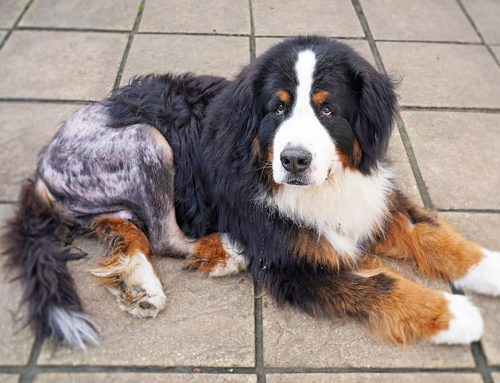
- Thorough physical exam: We map the pattern of hair loss and look for signs of infection, parasites, or skin changes.
- Targeted testing based on what we find:
- Skin scrapings to check for mites
- Cytology to identify bacterial or yeast infections
- Wood’s lamp examination and fungal culture for ringworm (cultures take 7-14 days)
- Blood work to evaluate thyroid, adrenal, and metabolic function
- Allergy testing or elimination diet trials for chronic itch
We focus on addressing root causes rather than just masking symptoms. If you’re noticing new bald spots or persistent itching, request an appointment for a complete skin evaluation- our dermatology service offers in-house testing and follow-up care.
What Are the Treatment Options for Hair Loss?
Because hair loss stems from so many different sources, treatment is highly individualized. The good news is that hair typically regrows once we address the underlying problem.
Treatment approaches by cause:
- Allergies: Anti-itch medications, medicated shampoos, omega supplements, immunotherapy, and trigger avoidance
- Parasites: Prescription preventives, environmental cleaning, and targeted treatments for specific parasites
- Skin infections: Antibiotics for bacterial infections, antifungals for ringworm or yeast
- Hormonal disorders: Daily medication, regular blood monitoring, and sometimes surgery
- Stress/anxiety: Behavior modification, environmental enrichment, pheromone therapy, and calming support
- Nutritional deficiencies: Diet improvement and targeted supplementation
Follow-up visits let us track regrowth and comfort, adjusting the plan as your pet heals. Our team is here to help you understand timelines and next steps.
How Can I Prevent Hair Loss in My Pet?
Most skin problems are easier to manage- and less expensive to treat- when caught early. Small preventive habits add up to a healthier coat and more resilient skin.
Practical prevention tips:
- Keep pets on parasite prevention year-round, even indoor pets
- Feed a complete, high-quality diet with adequate protein and essential fatty acids
- Brush regularly to remove dead hair, distribute natural oils, and check for problems
- Examine common trouble spots weekly: belly, armpits, ears, and paws
- Schedule regular wellness exams to establish baselines and catch changes early
Our wellness plans help spread out the cost of checkups and screenings, making preventive care more manageable.
Frequently Asked Questions About Pet Hair Loss
How quickly will hair grow back after treatment?
It depends on the cause. Parasite-related hair loss often improves within 4 to 6 weeks. Hormonal conditions may take 3 to 6 months once medication is stabilized. Some genetic conditions won’t regrow completely, but skin health and comfort can still improve significantly.
Is hair loss contagious to humans?
Most causes are not contagious. However, ringworm and sarcoptic mange (scabies) can spread to people. If your pet has circular bald patches with scaly edges, seek prompt evaluation and wash your hands thoroughly after handling them.
When should I be concerned about hair loss?
Schedule an evaluation if you notice distinct bald patches (versus just thinning), excessive scratching or licking, red, irritated, or scaly skin, hair loss that’s spreading or worsening, or accompanying symptoms like lethargy, weight changes, or increased thirst.
Can food allergies cause hair loss?
Yes. Food allergies typically affect the face, ears, paws, and rear end. Diagnosing food allergies requires a strict 8 to 12 week elimination diet trial- over-the-counter “limited ingredient” foods aren’t reliable for this purpose.
Is seasonal hair loss normal?
Some increased shedding in spring and fall during coat transitions is completely normal. However, bald patches, excessive thinning, or hair that doesn’t regrow is not normal seasonal shedding and should be evaluated.
Your Partner for Healthier Skin and Happier Pets
Hair loss can feel stressful to watch, but there’s almost always a path back to comfort and a healthier coat. Whether the cause turns out to be allergies, parasites, hormones, stress, or something else entirely, identifying the underlying problem is the first step toward real improvement.
Our approach brings together dermatology expertise and internal medicine capabilities to figure out what’s driving your pet’s hair loss and how to fix it. We’ll explain each step, offer options that fit your routine, and follow up to make sure your pet is truly comfortable.
If you’re ready to take the next step, please request an appointment for a thorough skin and coat evaluation. Have questions or wondering whether your pet should be seen sooner? Contact us and our team will help you decide on the best timing. We’re here to support you, ease your worries, and help your pet feel (and look!) their best.





Leave A Comment