

Desert living comes with its own set of allergy challenges. Dust, pollen from native plants, mold spores from monsoon moisture, and year-round flea activity in irrigated areas all contribute to allergic dermatitis in dogs and cats. Allergic dermatitis is an overreaction of the immune system to these normally harmless substances, and it is one of the most common reasons pets in the Mesa area need ongoing veterinary care. Once the itch-scratch cycle takes hold, it can lead to hot spots, secondary skin infections, chronic ear inflammation, and significant discomfort.
At Sonoran Sky Pet Hospital, our dermatology services are built around finding the right treatment for each pet’s specific situation. We offer a full range of options, from fast-acting medications like Apoquel and Cytopoint to long-term strategies like immunotherapy, and we work with you to build a plan that fits your pet’s needs, comfort, and budget. Request an appointment or contact us at 480-808-3255 to start getting your pet relief.
What Is Actually Triggering Your Pet’s Itch?
Allergies in dogs and cats fall into three main buckets: environmental allergens, food proteins, and insect and parasite bites. Each produces a slightly different pattern, and many allergic pets react to more than one category at the same time, which is part of why a proper diagnostic workup matters before settling on a treatment plan.
Environmental Allergies
Environmental allergens, also called atopic dermatitis, are the most common culprit. The immune system overreacts to pollen, mold, dust mites, grasses, and other substances that most pets tolerate without issue. In the Sonoran Desert, the allergy calendar looks different than in other parts of the country. Pollen from palo verde, mesquite, and cottonwood begins in late winter. Monsoon season brings a dramatic surge in mold spores, then subsides. Dust and allergens from bare soil are present year-round. For allergic pets in Mesa, there is rarely a clear off-season.
Dogs most often show itching at the paws, ears, face, armpits, groin, and belly. Cats tend toward overgrooming with symmetric thinning, eosinophilic granuloma complex lesions, and hives in some cases.
Flea Allergy Dermatitis
Flea allergy is more common in Mesa than families often expect. Irrigated yards, parks, and indoor environments support flea populations year-round despite the dry climate. Flea allergy dermatitis is an allergic reaction to proteins in flea saliva rather than the bite itself. In sensitive pets, a single bite can trigger weeks of intense itching. This is the classic trap: you do not see fleas on the pet, so flea allergy feels ruled out, but the pet is so efficient at grooming them off that the evidence disappears. Concentrated itching at the tail base, rump, and inner thighs is the tell.
Year-round parasite prevention is non-negotiable for any allergic pet, and gaps in coverage are one of the most common reasons chronic allergy management suddenly stops working. A single month without prevention during monsoon season can set off weeks of symptoms.
Food Allergies
Food allergies are immune reactions to specific proteins (most often chicken, beef, dairy, or wheat) that can develop at any age, even after years on the same food. Recurrent ear infections, itching that does not follow any seasonal pattern, and GI symptoms like intermittent vomiting or soft stool alongside skin problems all point toward food rather than environmental allergens- but some pets have both food *and* environmental allergies, making diagnosis difficult using symptoms alone. Identifying food allergy requires a strict elimination diet trial with a novel or hydrolyzed protein diet for 12 weeks. Nothing else can be consumed during the trial for the result to be meaningful: no treats, no table scraps, no flavored medications, and no sharing food with housemates.
Why Diagnostics Come Before Treatment
Itch is a symptom, not a diagnosis. Before we know which treatment plan fits your pet best, we need to know what is actually driving the reaction. A proper workup typically includes:
- Skin cytology: Skin cytology identifies secondary bacterial or yeast infections that need their own treatment alongside the allergy. Infections are incredibly common in chronically itchy pets and treating the allergy without treating the infection rarely produces relief.
- Ear cytology: Ear cytology tells us whether bacteria, yeast, or both are contributing to ear inflammation, which shapes whether we use an antibacterial cleaner, an antifungal, or a combination product.
- Skin scrapings and trichography: These microscopic tests identify mites, including Demodex and Sarcoptes, which can cause itching that can look identical to allergy but needs completely different treatment.
- Fungal culture: Ringworm can mimic allergic skin disease and warrants culture when the pattern or exposure history is suspicious.
- Bloodwork and thyroid panels: Hypothyroidism and other systemic conditions affect skin health and must be ruled out in appropriate cases, especially in middle-aged and senior dogs.
- Allergy testing: Blood or intradermal skin testing identifies specific allergens for pets who are candidates for immunotherapy.
Here is the reality that often surprises families: many allergic pets react to more than one trigger. A dog may have environmental allergies, a flea allergy component, and a secondary yeast infection in both ears, all at the same time. Treating only one piece leaves the others smoldering, and the dog stays itchy. Working through each contributor methodically is what gets you to actual, lasting relief.
Daily Oral Allergy Medications for Dogs
A class of medications called JAK inhibitors has transformed daily allergy care for dogs over the past decade. These oral medications block the specific intracellular signals that drive itch and inflammation, take effect within hours of the first dose, and work for both acute flares and long-term maintenance.
Apoquel, Zenrelia, and Numelvi are all options for this type of medication, given once or twice daily depending on the severity of the itch or stage of treatment. They can be combined with other allergy therapies when needed. Having three similar but distinct options means we can often find something that works for pets who did not tolerate or respond well to the first choice.
Best for: Dogs 12 months and older with atopic or allergic skin disease; daily maintenance; fast flare control.
Cytopoint: Monthly Injection for Dogs
Cytopoint is a monoclonal antibody injection that neutralizes interleukin-31, the primary itch-signaling protein in atopic dermatitis. One injection provides 4 to 8 weeks of control with no daily pill.
Strengths: No daily dosing; favorable safety profile for any age; targeted mechanism; can combine with other therapies.
Best for: Dogs who resist daily oral medication; families who prefer scheduled injections; dogs needing supplemental control alongside a daily oral medication.
Cyclosporine: Immune Modulation for Dogs and Cats
Cyclosporine is an oral immune modifier that takes 2 to 4 weeks to reach full effect but provides reliable ongoing management for both dogs and cats. Atopica is the veterinary formulation, and it is one of the few allergy medications well suited to cats with chronic allergic skin disease.
Best for: Cats with allergic skin disease; dogs needing long-term immune-level management; cases where the faster-acting options are not preferred or tolerated.
Corticosteroids: Fast, Broad, and Short-Term
Steroids (prednisone in dogs, prednisolone in cats) work quickly and reliably. They are appropriate for severe flares, bridging while slower medications reach therapeutic effect, and for cats who need reliable itch control when other options are limited.
Long-term daily use carries risks: increased thirst and urination, weight gain, skin thinning, immune suppression, and eventually effects on the liver and adrenal glands. Short courses for acute flares are generally well tolerated; chronic daily use is avoided when alternatives are available, which is most of the time with today’s medications.
Immunotherapy: Treating the Root Cause
Sublingual immunotherapy and injectable allergen immunotherapy retrain the immune system over months to years to reduce reactivity to specific allergens. It is the only approach that addresses the underlying problem rather than managing symptoms.
Immunotherapy is especially worth considering for younger pets facing years of environmental allergy management ahead, pets who cannot tolerate long-term medications, or families who want to move away from ongoing medication dependence where possible. Well-selected patients can significantly reduce or eliminate long-term medication needs. It requires allergy testing and a customized allergen product tailored to your pet’s specific triggers.
Our dermatology services involve working together with you to build the right plan for your pet and your lifestyle, whether it’s one medication or three.
Side-by-Side Comparison
| Treatment | Onset | Duration | Route | Ideal For |
| Apoquel, Zenrelia, Numelvi | Hours | Daily | Oral | Dogs; daily or flare control |
| Cytopoint | 1 to 2 days | 4 to 8 weeks | Injection | Dogs; monthly control |
| Cyclosporine (Atopica) | 2 to 4 weeks | Daily | Oral | Dogs and cats; long-term modulation |
| Steroids | Hours | Variable | Oral | Acute flares; cats; bridging |
| Immunotherapy | Months | Ongoing | Injection or sublingual | Root-cause approach |
Topical Therapies: Do Not Skip This Piece
Here is a detail that gets underemphasized: topical therapy is one of the most underrated tools in allergy management, and it often makes a bigger difference than families expect. The skin is both a barrier and the organ doing the reacting, and treating it directly with the right shampoos, sprays, and barrier-support products does three important things at once:
- Physically removes allergens (pollen, dust, dander) sitting on the coat and skin
- Treats surface bacterial and yeast infections that are adding to the itch
- Repairs and strengthens the skin barrier, which is almost always compromised in allergic pets
Pets with a strong topical routine often need lower doses of oral or injectable medications, flare less often, and stay comfortable between vet visits. For many mild to moderate cases, topical therapy alone can keep symptoms well controlled.
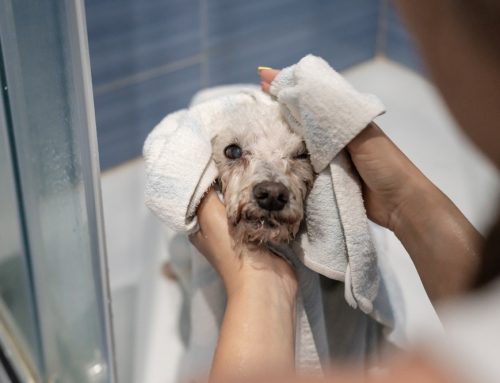
Consistent grooming with appropriate veterinary shampoos is the foundation. The right frequency and product depend on the individual pet’s skin type and current condition, and our team can build a bathing protocol that fits. Proper ear cleaning is another non-negotiable for allergic dogs because they are prone to ear infections, and monitoring anal glands is part of routine care for many allergic pets since gland function is often affected by skin and GI inflammation. Regular wiping of paws after outdoor excursions removes pollen and dust before they are tracked through the house or licked off by your pet.
Our pharmacy carries a variety of great topical products- ask us what we’d recommend for your pet:
- Epi-Soothe Shampoo, Aloe & Oatmeal Shampoo and Conditioner, DermAllay Oatmeal Shampoo and Spray Conditioner soothes mildly itchy, sensitive skin
- DOUXO S3 CALM Shampoo and Mousse, and Relief Shampoo and Spray are great for more severely itchy, reactive skin
- Vet-trusted ear cleaner prevents ear infections
Nutritional Allergy Support
Many pets benefit from nutrition that helps heal skin from the inside out. For pets with food allergies, select protein diets or hydrolyzed protein diets are needed long-term. For pets with environmental allergies, sensitive skin diets provide the right nutrition to help reduce inflammation. Omega fatty acids as oral supplements add another layer of skin and barrier support from the inside, and when used long-term can meaningfully improve allergy symptoms. Check out some options in our pharmacy:
- Dog omega fatty acids and cat omega fatty acids for systemic inflammation support and skin barrier function
- Dog skin and coat diets and cat skin support diets for nutritional skin barrier support

Frequently Asked Questions
Can Apoquel, Zenrelia, or Numelvi be combined with Cytopoint?
Yes. They target different steps in the itch pathway and are frequently used together during initial control or when one alone is insufficient. Only one daily oral JAK inhibitor is used at a time, but any of them can be paired with Cytopoint.
Why might my pet need more than one allergy treatment?
Many allergic pets have more than one trigger (environmental plus flea, or food plus environmental), and the skin barrier is often compromised and colonized with secondary bacteria or yeast. A single medication rarely addresses all of those pieces. Combining systemic medication, topical therapy, parasite prevention, and diet adjustments is what produces consistent control.
How long does a shampoo need to stay on to be effective?
If you’re using a medicated shampoo, lather up your pet and let them sit in the suds for at least ten minutes before rinsing. Between shampoos, sprays and mousses can help control the itch.
Desert Allergy Management, Fully Supported
Our dermatology services at Sonoran Sky Pet Hospital approach each itchy pet as an individual case. We do not reach for the same medication every time; we work through what is actually driving the itch and build a layered plan that addresses every contributor.
Request an appointment or chat with our team at 480-808-3255 to schedule an allergy evaluation for your pet.






Leave A Comment