

How Do You Know If Your Pet’s Allergic Reaction Is Serious?
Imagine your dog bounding inside after a romp in the yard, only to start rubbing their face on the carpet and pawing at their ears. Or your calm cat suddenly licking their paws nonstop with puffy, watery eyes. These moments are worrying, and the hardest part is figuring out whether you’re dealing with something that will pass on its own or something that needs a vet right now.
The short answer to how you can tell the difference is this: if symptoms stay on the skin (itching, bumps, mild puffiness), you likely have time to call and schedule a same-day visit. If symptoms involve breathing changes, facial swelling, collapse, pale gums, or rapid progression, that’s an emergency, and your pet needs care immediately. Most allergic reactions are manageable, and knowing which signs to watch for helps you stay calm and act with confidence when it matters.
At Sonoran Sky Pet Hospital, we provide compassionate, collaborative care to quickly diagnose and treat allergic reactions at every level of severity. Our urgent pet care services allow rapid assessment during open hours, and our wellness plans focus on prevention for allergy-prone pets. If you’re noticing concerning changes, please request an appointment so we can guide your next steps.
What Triggers Allergic Reactions in Dogs and Cats?
The immune system’s job is to protect your pet from genuine threats like bacteria and viruses. But sometimes it overreacts to harmless substances, producing symptoms that range from mild itching to serious breathing difficulty. Understanding the most common triggers helps you identify patterns early and reduce your pet’s exposure.
Common trigger categories:
- Environmental allergens: Pollen, dust mites, mold, and grasses are frequent culprits. Environmental allergens cause atopic dermatitis, one of the most common chronic skin conditions in dogs. In the Phoenix metro area, desert plants, dust, and year-round warm temperatures mean allergen exposure rarely takes a seasonal break.
- Insect bites and stings: Flea saliva is one of the most intense itch triggers in pets. A single bite can set off a reaction in a sensitive animal. Bee stings and spider bites can also cause localized swelling or, less commonly, systemic reactions like anaphylaxis.
- Food proteins: Chicken, beef, dairy, and wheat are among the most common dietary triggers. Identifying food proteins responsible for reactions requires a structured elimination diet rather than guesswork.
- Medications and vaccines: Some pets react to specific drugs or vaccine components. Most reactions are mild and temporary, but they deserve monitoring.
Working with your veterinary team to pinpoint your pet’s triggers is the most effective step toward long-term control. Our dermatology and internal medicine services manage chronic cases with targeted testing and treatment.
How Do Allergic Reactions Range From Mild to Severe?
Not all allergic reactions look or behave the same, and timing significantly impacts severity. Understanding where your pet’s reaction falls on the spectrum helps you respond appropriately.
Hives (localized reaction): Hives appear as raised, itchy welts on the skin, sometimes with facial puffiness. They’re uncomfortable but typically not dangerous on their own. Most resolve with treatment within hours.
Respiratory allergies: Sneezing, coughing, or watery eyes that tend to develop gradually. These usually progress slowly and respond well to medical management.
Skin reactions: Allergies to the environment and food often appear with itchy feet, ear infections, rashes, and hot spots. These can occur year-round or seasonally, depending on the allergen.
Anaphylaxis (severe, whole-body reaction): Anaphylaxis in dogs causes sudden blood pressure drops, narrowed airways, and poor oxygen delivery. It can develop within minutes of exposure and requires immediate emergency care. Anaphylaxis in cats may look more subtle at first, with respiratory distress as a primary sign rather than the vomiting and collapse more common in dogs.
The key decision point is whether symptoms stay limited to the skin or start affecting breathing, energy, circulation, or multiple body systems at once. When symptoms involve more than one system (skin plus vomiting, or swelling plus breathing changes), treat it as urgent. Our urgent pet care team can triage over the phone and in the clinic during open hours.
What Warning Signs Should You Never Ignore?
Knowing common allergy symptoms helps you act early, and recognizing emergency signs can save your pet’s life.
Common signs that need same-day attention:
- Facial swelling around the eyes, muzzle, or ears
- Red, watery eyes or squinting
- Sudden intense itching with excessive licking or scratching
- Raised welts or bumps on the skin
- Vomiting or diarrhea soon after a suspected exposure
- Restlessness or behavior changes
Emergency signs that need immediate care:
- Trouble breathing, rapid shallow breaths, or gasping
- Open-mouth breathing in cats, which always signals distress in felines
- Collapse, extreme weakness, or disorientation
- Severe throat or tongue swelling
- Persistent vomiting or diarrhea lasting more than an hour
- Pale, blue, or gray gums
- Weak or racing pulse
Trust your instincts. If something feels wrong, it probably is. Our urgent pet care team prioritizes life-threatening presentations and can guide you through what to do while you’re on your way.
What Should You Do at Home During a Sudden Reaction?
When a reaction happens at home, your goals are simple: remove the trigger, keep your pet calm, prevent self-injury, and document what you’re seeing.
- Remove obvious triggers. Take off a new collar, rinse plant debris or topical product residue from the coat with cool water, or move your pet away from the suspected allergen. Avoid soaps unless directed by your vet.
- Keep your pet calm and still. Activity can spread allergens faster through the body and worsen swelling. Settle your pet indoors in a quiet space.
- Prevent scratching and rubbing. An Elizabethan collar stops your pet from creating skin damage while you monitor. Booties on the feet can protect skin from over-zealous scratching.
- Document everything. Take photos of swelling or skin changes, note the time symptoms started, and write down recent foods, products, or possible exposures. This information helps our team treat quickly and accurately.
- Do not give human medications without veterinary guidance. Some antihistamines can help at specific doses, but others contain ingredients that are toxic to pets. If your pet has a history of reactions, ask us in advance about safe at-home options and proper dosing.
If symptoms worsen, vomiting starts, or any breathing difficulty appears, do not wait. Request an appointment for same-day evaluation, or call us during open hours for immediate triage.
When Does a Reaction Become an Emergency?
Seek emergency care when you see worsening breathing over minutes, rapidly spreading swelling (especially on the face or neck), multiple body systems involved at once, collapse or severe weakness, or symptoms continuing despite removing the trigger.
What emergency treatment looks like at Sonoran Sky Pet Hospital:
- Immediate triage with airway assessment and oxygen support if needed
- Injectable medications to calm the immune response and reduce swelling
- IV fluids to support circulation and blood pressure
- Epinephrine for severe anaphylaxis
- Close monitoring with hospitalization if stability is uncertain
Most mild reactions resolve quickly with appropriate care. Severe cases may require extended observation, and some pets need overnight monitoring to make sure symptoms don’t rebound. Our urgent pet care team is equipped to handle reactions at every severity level during open hours.
How Can You Prevent Future Allergic Reactions?
Prevention works best when it combines reducing exposure, catching changes early, and having a plan in place for when reactions do happen.
Daily and weekly prevention strategies:
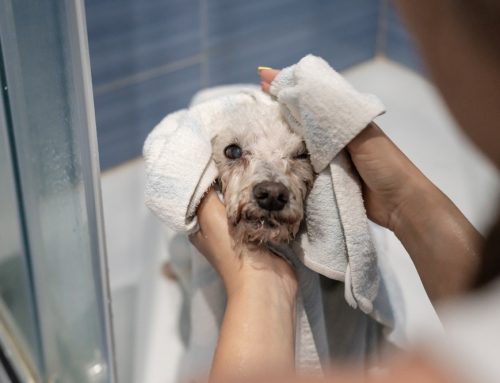
- Regular grooming removes pollen and dust from coats. Even a simple weekly rinse significantly lowers allergen load on the skin.
- Flea allergy dermatitis can be triggered by a single flea bite in sensitive pets. Year-round parasite prevention is essential in desert climates where fleas and other pests persist through every season.
- Build a consistent routine of coat checks, skin inspections, and monitoring appetite, energy, and bathroom habits so changes stand out early.
For pets with severe or known triggers:
For dogs with a history of serious reactions to insect stings, keeping epinephrine at home can be a lifesaving measure. Your veterinarian can prescribe it and train you on proper use.
Advanced prevention options:
Allergy testing through blood work or intradermal skin testing can identify specific triggers, and immunotherapy (allergy shots or sublingual drops) works to gradually decrease your pet’s sensitivity over time. For ongoing itch and inflammation control, medications like Apoquel and Cytopoint target specific pathways in the allergic response and can make a significant difference in comfort without the side effects of long-term steroid use.
Our preventative and wellness care team builds prevention routines that fit your pet’s sensitivities and your schedule, and our dermatology service manages chronic cases with targeted therapies.
How Do Diet and Home Changes Reduce Flare-Ups?
For many allergy-prone pets, meaningful improvement comes from a combination of dietary management and simple home modifications.
For suspected food allergies, structured elimination diet trials are the gold standard. This involves feeding a novel or hydrolyzed protein diet for 8 to 12 weeks with absolutely nothing else besides the prescribed food and water. No treats, no table scraps, no flavored medications. If symptoms improve during the trial and return when the original diet is reintroduced, that confirms a food allergy. This process requires patience, but it produces clear answers that guesswork never will. Keep a brief symptom diary so you can share timing and patterns with our team.
For environmental management:
- Use HEPA vacuums to trap small particles that irritate sensitive pets
- Wash bedding weekly in hot water
- Maintain indoor humidity between 30 and 50 percent to limit mold growth
- In the Phoenix area, wiping paws and belly after outdoor time helps remove desert dust and pollen
For skin support, regular bathing with topical therapies for allergic skin containing omega fatty acids improves skin condition, strengthens the skin barrier, and helps prevent severe reactions. Routine ear cleaning is also important because allergies frequently affect the ears, and regular cleaning with veterinary-approved solutions helps prevent secondary infections.
Our internal medicine clinicians coordinate elimination trials and targeted diagnostics, and you can request an appointment to build a plan that fits your pet’s needs.
Should You Worry About Vaccine and Medication Reactions?
Most vaccine and medication reactions are mild and temporary, but monitoring for 24 to 48 hours after any new vaccine or medication is always wise. Mild sleepiness or temporary tenderness at the injection site is normal and typically resolves within a day.
More concerning vaccination reactions include vomiting, diarrhea, facial swelling, breathing difficulty, or collapse. These are uncommon but require immediate attention. Some pets with a history of prior reactions benefit from premedication with antihistamines before future vaccines, which your veterinarian can plan on a case-by-case basis.
The key is sharing your pet’s complete medical history so we can tailor vaccination schedules and reduce risk while maintaining appropriate preventive care. We personalize vaccine protocols as part of our preventative and wellness care, and our team walks you through what to expect after each visit.

Frequently Asked Questions
What’s the difference between hives and anaphylaxis? Hives are itchy skin welts that are uncomfortable but usually not dangerous. Anaphylaxis is a sudden, whole-body reaction that can cause breathing difficulty, collapse, and shock. Hives stay on the surface; anaphylaxis affects internal systems and is life-threatening without treatment.
When should I go to the vet versus waiting it out? If symptoms are limited to the skin (itching, bumps, mild puffiness) and your pet is breathing normally and acting alert, call for a same-day appointment. If you see breathing trouble, severe facial or throat swelling, collapse, pale gums, or persistent vomiting and diarrhea, go immediately.
Can I give my pet human antihistamines at home? Never without veterinary guidance. Some antihistamines are safe for pets at specific doses, but others contain ingredients like xylitol or pseudoephedrine that are toxic. If your pet has a history of reactions, ask us in advance so you know the right medication and dose for your specific pet.
How do I know if my pet has food allergies? A veterinary-guided elimination diet trial lasting 8 to 12 weeks is the most reliable way to confirm food allergies. If symptoms improve during the trial and return when the old diet is reintroduced, that points to a food allergy. Blood tests alone are not reliable for diagnosing food allergies.
Will year-round flea prevention help with allergies? Yes. For flea-allergic pets, a single bite can trigger an intense reaction. Consistent year-round parasite prevention eliminates one of the most common and preventable allergy triggers.
A Calm Plan for Scary Moments
Allergic reactions range from minor hives to life-threatening anaphylaxis, and the most urgent signs to act on are rapidly spreading facial or throat swelling, breathing trouble, collapse or weakness, pale gums, and persistent vomiting or diarrhea. If any of these are present, reach our urgent pet care team immediately during open hours.
For skin-limited reactions or chronic sensitivities, we can help you manage triggers, build prevention routines, and reduce flare-ups with targeted therapies. Your pet’s comfort and safety are our top priorities, and you never need to handle this alone.
If you’re seeing new symptoms or want a prevention plan, please request an appointment so we can guide the next steps. If you have urgent concerns during open hours, contact us for triage and same-day care. We’re here for the itchy moments and the emergencies, with clear answers and compassionate support.






Leave A Comment