

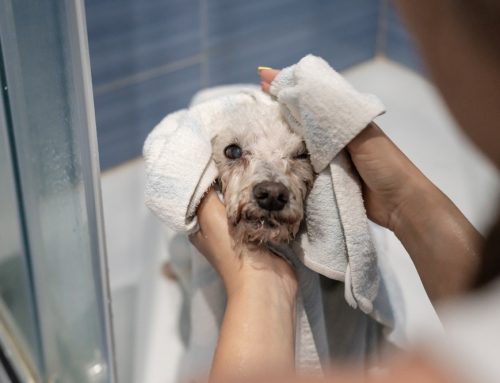
If your pet has overheated, the first few minutes at home genuinely matter. The important details are in how you cool, and that you treat it as the start of care rather than the whole of it. Cool tap water on the neck, belly, groin, and paw pads, plus a fan for airflow, brings the temperature down safely. Iced water and ice baths do the opposite, making the surface blood vessels clamp shut and trapping heat in the core. Heat stroke strains the kidneys, blood pressure, and the blood’s ability to clot, and a pet who seems to rally after cooling can still be developing internal damage, so home cooling buys time on the way to the vet, but it does not replace the visit.
Sonoran Sky Pet Hospital sits in the heart of the Valley, where summer heat is relentless and a shaded afternoon can still be dangerous. We offer urgent and emergency care to pets in Mesa during our regular hours with complimentary triage, and our team is ready the moment you call. If your pet has overheated, or you are not sure how worried to be, contact us and we will tell you what to do next.
Snapshot: Cooling an Overheating Pet
- Cool (never iced) water on the neck, belly, groin, and paw pads, with a fan, is the safe way to start cooling at home.
- Ice baths and ice-cold water backfire by constricting surface vessels and trapping heat in the core.
- A pet who looks recovered after cooling can still develop kidney, liver, or clotting trouble over the next 24 to 72 hours.
- In dry desert heat the danger is easy to underestimate, because a panting dog can be in trouble before they look distressed.
How Do You Cool an Overheating Pet the Right Way?
The goal is to lower the body temperature steadily while you head in, not to fix everything before you leave. Steady, cool-water cooling with airflow does that; the dramatic measures people reach for, like ice baths, actually slow things down. Work through these emergency steps for cooling, and keep this do-and-don’t list in mind.
| Do | Don’t |
| Move your pet to shade or air conditioning right away | Wait in the heat to see whether it passes |
| Run cool tap water over the neck, belly, groin, and paws | Use ice baths or ice-cold water, which trap heat in the core |
| Set up a fan or open windows for airflow | Drape a wet towel over the body, which holds heat like a sauna |
| Offer small sips of cool water if your pet is alert | Force water into a dazed or unresponsive pet |
| Stop cooling near 103°F and drive in | Assume a pet who perks up is in the clear |
If your pet is alert, the at-home steps are straightforward: cool water on the thin-skinned areas, a fan or breeze, small sips of water, and a call to us so we are ready. Once their temperature reaches roughly 103°F, or panting eases and the gums shift back toward pink, stop active cooling and come in so you do not overshoot into hypothermia.
Why Do Dogs and Cats Overheat So Fast in Dry Heat?
Dogs and cats shed heat mainly by panting, with a little through the paw pads, and that is far less efficient than human sweating. Desert dry heat makes it sneakier, because a dog can look comfortable while their core temperature climbs, and the air does not feel as oppressive as humidity does right up until a pet is in trouble.
Several things shrink the safety margin further:
- Flat-faced (brachycephalic) breeds: bulldogs, French bulldogs, pugs, and Persian cats have narrowed airways that make panting much less effective. Brachycephalic thermoregulation hinges on body condition, so an overweight flat-faced dog is doubly at risk.
- Heavy or double coats: northern and working breeds and long-haired cats trap heat against the skin.
- The very young and very old: puppies, kittens, and seniors regulate temperature poorly.
- Extra weight: added insulation plus higher heat production is a bad combination in the desert.
- Heart, airway, or endocrine disease: any of these lowers heat tolerance.
The right summer plan fits the individual pet, which is part of what we check at preventive and wellness care visits, where weight and body condition come up for exactly this reason.
What Are the Warning Signs of Heat Stroke?
Heat stress climbs through stages, and the desert rewards owners who catch it at the first one. Heat stroke in pets usually shows up like this.
Early heat stress, still manageable at home:
- Heavy panting that does not ease with rest
- Hunting for cool tile or shade
- Drinking more than usual
- Backing off activity
Escalating heat exhaustion, the point to call us:
- Thick, ropy drool
- Bright or dark red gums
- Restlessness or pacing
- Weakness or stumbling
- Vomiting or diarrhea
Severe heat stroke, a true emergency- go straight to the nearest ER:
- Pale, purple, or grayish gums
- Collapse or an inability to stand
- Disorientation or unresponsiveness
- Seizures
- Blood in vomit or stool
Cats hide it well. A cat in heat distress may lie flat with the mouth slightly open, breathe in short shallow pants, or tuck into an odd cool corner. Open-mouth breathing in a cat is never normal and always an emergency.
Does an Overheated Pet Still Need the Vet After Cooling?
An overheated pet needs the vet even when they seem back to normal, because the dangerous part of heat stroke is internal and unfolds over time. Heat stroke treatment runs on three tracks: continued controlled cooling, IV fluids to restore circulation and protect the organs, and close management of the complications that can follow. The first 24 hours carry the highest risk, which is why we monitor rather than send a pet straight home.
The delayed heat stroke complications we watch for:
- Acute kidney injury: values can worsen over 48 to 72 hours.
- Liver damage: enzymes often climb days later.
- Gut bleeding: bloody vomiting or diarrhea as the lining sloughs.
- Disseminated intravascular coagulation: a clotting disorder where the body clots and bleeds at once.
- Brain swelling and seizures: which can appear after an apparent recovery.
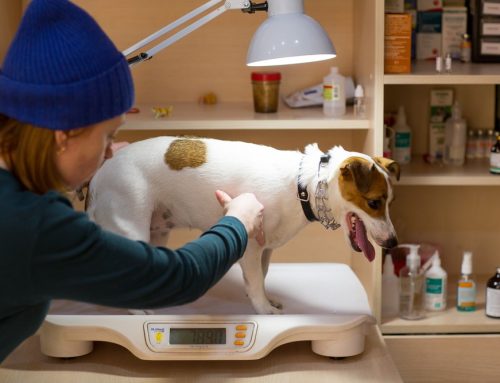
In-house bloodwork tracks kidney values, liver values, and clotting, and our ultrasound helps us spot organ trouble an exam alone would miss. Pets in severe heat stroke may need to be hospitalized at a 24/7 veterinary ER with an ICU to prevent and treat the complications that come with heat damage.
How Do You Prevent Heat Stroke in Desert Heat?
Prevention beats rescue, and in the Valley it comes down to timing, pavement, and water. A few heat safety habits carry most of the load:
- Water in every spot: several bowls indoors and out, refilled often, with morning ice to keep it cool.
- Water on every outing: a collapsible bowl and a full bottle in the car, since trails rarely have any.
- Shade that actually shades: check the yard at midday, because morning shade is gone by afternoon.
- Cooling mats for rest spots: they work on body weight, no freezer required.
The pavement is the desert’s hidden hazard. Preventing heat stroke outdoors means respecting it:
- Walk before sunrise or after dark, since mid-morning is already too hot from May through September
- Press the back of your hand to the pavement for seven seconds, and if you cannot hold it, neither can their paws, because asphalt can hit 140°F on a 95°F day
- Stick to dirt or shaded paths, or fit booties for unavoidable pavement
- Watch for heavy panting or lagging, and cut the outing short
The car is the other one. On a 95°F day a parked car turns lethal in minutes, and hot vehicles kill pets every summer, because cracked windows do nothing meaningful. Leave your pet at home if the errand means any time alone in the car, and call us right away if your pet has been shut in one.
How Do You Keep Cats and Pets Cool at Home?
On the hottest days the safest place is indoors, and a few adjustments make a real difference for dogs and cats alike. For outdoor cat safety and indoor pet comfort:
- Shaded water stations for outdoor cats: refreshed twice daily, because heat speeds bacterial growth.
- Cool retreats: tile floors, a shaded porch, or a catio with shade cloth.
- No hot metal: car hoods and metal furniture can scorch paws.
- AC during peak heat: roughly 76 to 78°F suits most pets.
- Frozen treats: plain yogurt in a Kong or low-sodium broth pupsicles, with no xylitol or grapes.
Beat heat-driven boredom with enrichment that does not raise body temperature. Boredom busters like snuffle mats, puzzle feeders, and scent games work well, and DIY enrichment toys give you plenty of low-cost ideas.

Frequently Asked Questions About Cooling and Heat Safety
My Dog Seems Back to Normal After Overheating. Do I Still Need to Come In?
Almost certainly. Heat stroke complications can develop 24 to 72 hours after the event, and kidney injury, liver damage, and clotting problems do not show on the surface. A quick exam and bloodwork catch trouble early, when it is most treatable. Call us first so we are ready when you arrive.
Can I Shave My Long-Haired Dog or Cat to Keep Them Cooler?
Usually not. Double-coated breeds like huskies and golden retrievers rely on that coat for insulation against heat as well as cold, so shaving can backfire. Brushing out the undercoat helps more. Ask us what fits your pet.
What Temperature Is Too Hot for a Walk in the Desert?
For most dogs, above 90°F in dry heat means very short walks or none, and brachycephalic, senior, or overweight pets should skip walks above 80°F. The seven-second pavement test matters even more than the air temperature here, since asphalt holds heat long after sunset.
Is Cool Water Cooling Really Better Than Ice?
Cool water is genuinely the better choice. Ice and ice water make the surface vessels constrict, which traps heat in the core and slows the cooling you are trying to achieve. Cool or tepid water plus airflow lowers the core temperature steadily and safely, which is exactly what you want on the way in.
Keeping Your Pet Safe Through the Summer
Heat stroke is one of the most preventable emergencies we treat, and the difference usually comes down to timing, pavement awareness, water, and a willingness to cut activity short. Cool the right way if it happens, then come in, because the internal picture is what counts.
If your pet has overheated or you want a heat plan that fits them, our team is here for the regular veterinary care to help prevent it, and our urgent care is here if the desert heat catches up with your pet.





Leave A Comment